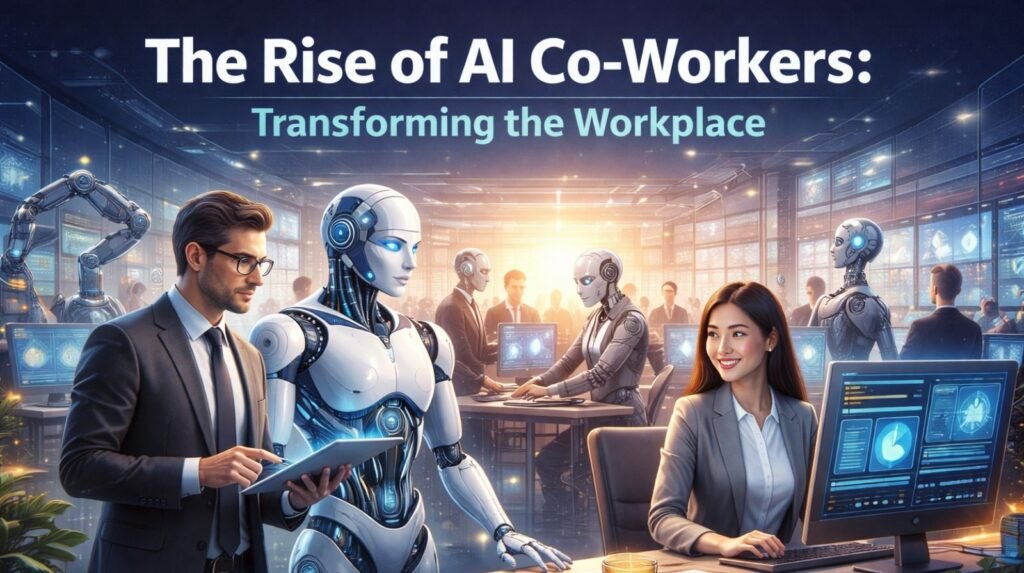
In 2026, the workplace is undergoing a significant transformation with the rise of . These digital employees are not just tools; they are integral parts of teams, enhancing productivity and reshaping how we approach work. As businesses increasingly adopt AI technologies, professionals must understand the implications of this shift, the skills required, and the opportunities that arise from collaborating with these intelligent systems. This blog will guide you through the landscape of AI co-workers, their impact on the workplace, and how to thrive in this new environment.
Introduction
The integration of AI co-workers into the workplace is a trend that has gained momentum over the past few years. In 2026, many organizations are leveraging AI to streamline processes, reduce costs, and improve efficiency. This shift is not merely about replacing human workers but rather enhancing their capabilities. As AI becomes more sophisticated, the nature of work is evolving, and understanding this evolution is crucial for business owners, professionals, and students alike.
AI co-workers are designed to perform a variety of tasks, from data analysis to customer service, freeing up human employees to focus on more strategic and creative aspects of their jobs. As we delve deeper into this topic, we will explore how businesses are adopting AI, the real-world applications, and the skills that will be essential in this AI-driven landscape.
How Businesses are Adopting AI
The adoption of AI in businesses is accelerating, with many organizations recognizing the potential benefits of integrating AI co-workers into their operations. In 2026, businesses are increasingly implementing AI technologies to enhance productivity and streamline processes.
- : Companies are using AI to automate repetitive tasks, leading to significant cost savings. By reducing the need for manual labor in routine tasks, businesses can allocate resources more efficiently.
- : AI systems can analyze vast amounts of data quickly, providing insights that would take humans much longer to uncover. This capability allows businesses to make data-driven decisions faster.
- : AI co-workers are being deployed in customer service roles, providing instant responses to inquiries and improving overall customer satisfaction.
For instance, businesses use AI tools for accountants to automate workflows, enabling finance teams to focus on strategic financial planning rather than mundane data entry tasks.
Real-World Use Cases of AI in the Workplace
AI co-workers are already making significant impacts in various sectors. In 2026, we are witnessing innovative applications of AI that enhance workplace efficiency and productivity.
Automating Administrative Tasks
Many organizations have implemented AI systems to handle administrative duties, such as scheduling meetings, managing emails, and organizing files. This automation allows employees to dedicate more time to high-value tasks.
Data Analysis and Reporting
AI co-workers excel in data analysis, providing businesses with real-time insights. For example, marketing teams use AI to analyze customer behavior and preferences, enabling them to tailor campaigns more effectively.
Enhancing Collaboration
AI tools facilitate better collaboration among teams by providing platforms that integrate various communication channels. These systems can summarize discussions, track project progress, and even suggest next steps based on previous interactions.
The Growing Trend of AI-First Companies
As we move further into 2026, a distinct trend is emerging: the rise of AI-first companies. These organizations prioritize AI integration in their business models, leveraging technology to gain a competitive edge.
Characteristics of AI-First Companies
- : AI-first companies foster a culture of innovation, encouraging employees to embrace and experiment with new technologies.
- : These organizations rely heavily on data analytics to inform their strategies, ensuring that decisions are backed by solid evidence.
- : Employees in AI-first companies are encouraged to engage in continuous learning to keep up with technological advancements and enhance their skills.
Examples of AI-First Companies
Several companies have successfully adopted an AI-first approach. For instance, tech giants like Google and Microsoft are continuously developing AI solutions that not only improve their products but also enhance their internal operations.
Opportunities Created by AI
The rise of AI co-workers is not just about displacement; it also presents numerous opportunities for growth and innovation in the workplace.
New Job Roles
As AI takes over repetitive tasks, new roles are emerging that focus on managing and collaborating with AI systems. Positions such as AI trainers, data analysts, and AI ethicists are becoming increasingly relevant.
Increased Productivity
With AI handling mundane tasks, employees can focus on more creative and strategic aspects of their jobs, leading to higher job satisfaction and productivity.
Enhanced Innovation
AI co-workers can help teams brainstorm and generate ideas, leading to innovative solutions and improved products or services.
Skills Becoming Obsolete
As AI continues to evolve, certain skills are becoming less relevant in the workplace.
Routine Task Management
Skills related to manual data entry, simple calculations, and basic administrative tasks are diminishing in importance as AI systems take over these functions.
Traditional Customer Service Skills
With AI chatbots and virtual assistants managing customer inquiries, traditional customer service skills may no longer be as critical as they once were.
Basic Data Analysis
As AI tools become more advanced, the need for basic data analysis skills is decreasing, making way for more complex analytical skills that focus on interpreting AI-generated insights.
New AI-Driven Skills in Demand
While some skills are becoming obsolete, new skills are emerging as essential in the age of AI co-workers.
AI Literacy
Understanding how AI works and its applications is becoming crucial for all employees. AI literacy enables professionals to collaborate effectively with AI systems.
Advanced Analytical Skills
As businesses increasingly rely on data-driven insights, skills in advanced data analysis, machine learning, and statistical modeling are in high demand.
Emotional Intelligence
As AI takes over routine tasks, emotional intelligence becomes more important for roles that require interpersonal interactions, such as leadership and team collaboration.
How to Adapt and Stay Relevant
To thrive in a workplace increasingly influenced by AI co-workers, individuals must adapt and develop new skills.
Embrace Continuous Learning
Investing in lifelong learning is essential. Professionals should seek out courses and training programs that focus on AI technologies and their applications in their respective fields.
Develop Collaboration Skills
As teamwork becomes more integrated with AI, honing collaboration skills will be vital. Learning to work alongside AI systems and understanding their capabilities can enhance overall team performance.
Stay Informed About AI Trends
Keeping up with the latest trends in AI and its applications in the workplace can provide a competitive advantage. Engaging with industry news, attending conferences, and participating in webinars can help professionals stay ahead.
Leveraging AI to Your Advantage
AI co-workers can be powerful allies in the workplace. By understanding how to leverage these technologies, professionals can enhance their productivity and effectiveness.
Utilize AI Tools
Familiarizing oneself with various AI tools available for specific tasks can streamline workflows and improve efficiency. For example, using AI-driven project management tools can help teams stay organized and on track.
Foster a Collaborative Environment
Encouraging a culture of collaboration between human employees and AI systems can lead to innovative solutions and improved outcomes. Teams should be open to experimenting with AI applications and sharing best practices.
Advocate for Ethical AI Use
As AI becomes more integrated into the workplace, advocating for ethical AI use is essential. Professionals should engage in discussions about AI ethics and ensure that AI systems are implemented responsibly.
Conclusion
The rise of in 2026 marks a significant shift in the workplace landscape. As businesses increasingly adopt AI technologies, professionals must adapt to this new reality by developing relevant skills and embracing a collaborative approach with these digital employees. The opportunities created by AI are vast, and those who learn to work with AI rather than against it will find themselves at the forefront of the future of work. In this age of Discover how AI co-workers are reshaping the workplace in 2026. Learn about opportunities, skills in demand, and how to adapt to this new era., success will belong to those who understand the potential of AI co-workers and leverage them to enhance their careers and organizations.