The landscape of education is undergoing a significant transformation, particularly with the rise of . As technology continues to evolve, educators and students alike are experiencing the profound impacts of artificial intelligence. This blog explores how AI in Education 2026. How AI enhances teaching, boosts learning outcomes, and empowers teachers not replaces them in the future of education. experiences, the role of teachers, and what the future holds for education in India. Many businesses are leveraging AI learning tools for students to enhance learning outcomes and streamline administrative tasks.
What is AI in Education?
AI in education refers to the integration of artificial intelligence technologies into the educational framework, enhancing teaching and learning processes. This includes tools that facilitate , enabling students to learn at their own pace and according to their individual needs. For instance, adaptive learning platforms utilize data analytics to tailor educational content, ensuring that each student receives a customized learning experience.
Furthermore, AI can automate administrative tasks, allowing educators to focus more on teaching rather than paperwork. This shift not only improves efficiency but also fosters a more engaging learning environment. As AI continues to develop, its role in education is set to expand, making it essential for educators to stay informed about these advancements. By embracing personalized learning, schools can better support diverse student populations and enhance overall academic performance.
Key Components of AI in Education
- : These systems provide personalized feedback and guidance to students, adapting to their learning styles and paces.
- : AI can analyze vast amounts of data to identify trends and insights, helping educators make informed decisions.
- : Tasks such as grading and scheduling can be automated, freeing up time for teachers to engage with their students.
How AI Improves Learning Experiences
AI significantly enhances learning experiences by providing tailored educational resources and support. One of the most notable advancements is the introduction of that facilitate interactive learning. These tools can adapt to the learning styles of students, ensuring that the material is engaging and accessible.
For example, AI-driven platforms can assess a student’s strengths and weaknesses and recommend resources that cater to their specific needs. This not only boosts student engagement but also leads to better academic outcomes. Additionally, AI can provide real-time feedback, allowing students to understand their progress and areas for improvement immediately.
Benefits of AI in Learning
- : Students receive customized learning experiences that cater to their unique needs.
- : AI tools can provide instant feedback, helping students correct mistakes and reinforce learning.
- : Interactive tools keep students motivated and invested in their learning journey.
The Central Debate: Replacement vs. Upgrade
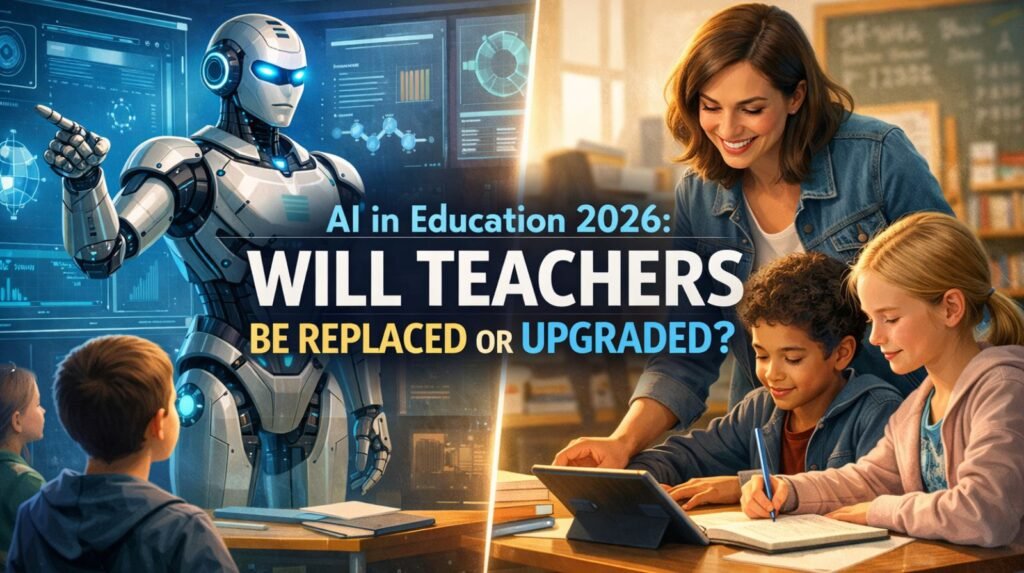
A significant question arises in the discourse surrounding AI in education: or upgrade their roles? While some fear that AI may lead to job losses in the teaching profession, the prevailing view is that AI will enhance and evolve the role of educators rather than replace them.
AI can take over repetitive tasks, allowing teachers to dedicate more time to higher-order functions such as mentoring, coaching, and facilitating critical thinking. This shift encourages a more collaborative and supportive learning environment. Teachers will become guides in the learning process, utilizing AI to enhance their effectiveness and focus on developing students’ soft skills and emotional intelligence.
Case Studies in AI Integration
- : Schools that have integrated AI in classrooms report higher student engagement and improved academic performance.
- : Educators using AI tools collaborate more effectively, sharing insights and strategies for student success.
Impact on Education in India
In India, the integration of AI in education is gaining momentum, with various initiatives aimed at enhancing learning outcomes. The government and private sectors are investing in technology to improve educational access and quality. AI tools are being employed to address challenges such as teacher shortages and varying educational standards across regions.
Moreover, the focus on teacher training in AI is crucial for ensuring that educators are equipped to leverage these technologies effectively. By investing in professional development, educators can learn how to integrate AI into their teaching practices, ultimately benefiting students.
Current Trends in Indian Education
- : AI-driven platforms are making quality education more accessible to remote areas.
- : AI is being used to develop skills that are relevant to the future job market, preparing students for success.
Key Benefits of AI in Education
The advantages of integrating AI into educational settings are manifold. Firstly, AI enhances the learning experience by providing personalized educational content tailored to individual student needs. Secondly, it improves efficiency by automating administrative tasks, allowing teachers to focus more on student interaction and engagement.
Additionally, AI can help identify at-risk students early on, enabling timely intervention. This proactive approach can significantly improve student retention and success rates. Lastly, AI fosters a more inclusive learning environment by accommodating diverse learning styles and needs.
Challenges and Considerations
Despite the numerous benefits, the integration of AI in education comes with challenges. Data privacy concerns are paramount, as schools must ensure that student information is protected. Additionally, there is a need for substantial investment in infrastructure and training to effectively implement AI technologies.
Moreover, educators must navigate the balance between technology and traditional teaching methods. While AI can enhance learning, it should not replace the human connection that is vital in education.
Addressing the Challenges
- : Implementing strict data protection policies to safeguard student information.
- : Providing ongoing professional development for teachers to effectively use AI tools.
Conclusion
As we look towards the future of AI in Education 2026. How AI enhances teaching, boosts learning outcomes, and empowers teachers not replaces them in the future of education., it is clear that the role of teachers will evolve rather than diminish. With the right tools and training, educators can leverage AI to enhance learning experiences and foster student success. Embracing will not only improve educational outcomes but also prepare students for the challenges of tomorrow.