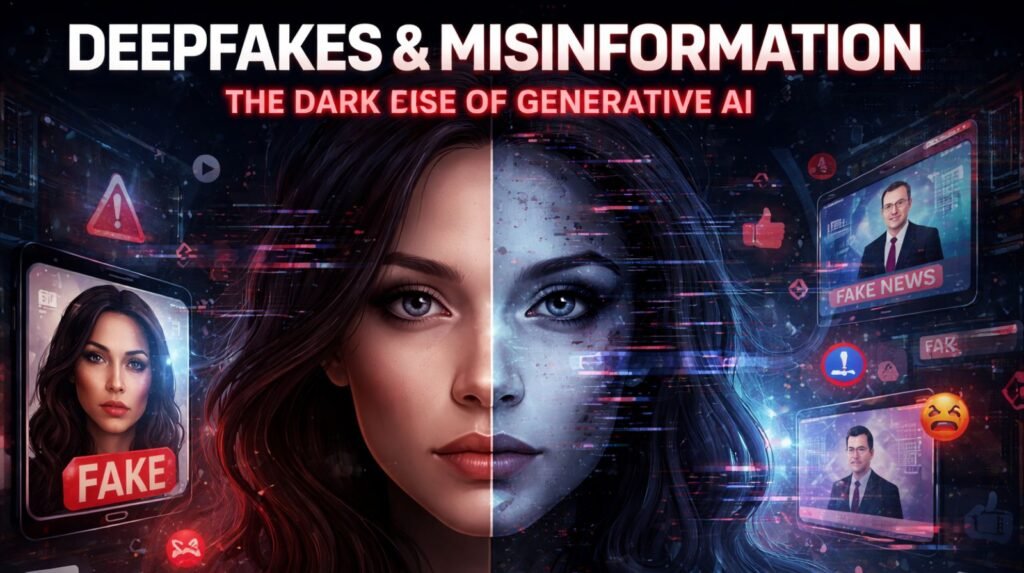
- Introduction: Shocking Example of Deepfake
- Conclusion: Awareness and Digital Responsibility
In 2026, the digital landscape is witnessing a surge in deepfake technology, leading to alarming incidents that blur the lines between reality and deception. Generative AI one shocking example involved a viral video of a prominent politician making inflammatory statements, only to be later revealed as a sophisticated deepfake. This incident not only misled millions but also sparked outrage and distrust among the public. Such occurrences highlight the urgent need for awareness about and their potential to manipulate perceptions and realities. Understanding these technologies is crucial, especially for students, digital creators, and everyday internet users who navigate this complex digital terrain.
Introduction: Shocking Example of Deepfake
Deepfakes have become a pervasive threat in the digital world, often used to deceive viewers and manipulate narratives. The viral incident mentioned earlier illustrates how easily misinformation can spread, causing real-world consequences. This incident serves as a wake-up call, reminding us that we must be vigilant and informed about how these technologies operate. By exploring understanding AI misinformation, we can better equip ourselves to identify and combat these deceptive practices.
What are Deepfakes?
Deepfakes are synthetic media in which a person’s likeness is replaced with someone else’s using artificial intelligence. This technology leverages deep learning algorithms to create hyper-realistic videos and audio that can convincingly portray individuals saying or doing things they never actually did. As of 2026, many businesses and individuals are utilizing deepfake technology for various purposes, from entertainment to malicious intent.
The Technology Behind Deepfakes
At the core of deepfake technology is a machine learning technique known as Generative Adversarial Networks (GANs). This approach involves two neural networks—the generator and the discriminator—that work against each other to create increasingly realistic content. The generator creates fake media, while the discriminator attempts to identify whether the media is real or fake. This constant feedback loop leads to the production of highly convincing deepfakes.
Applications of Deepfakes
While deepfakes can be used for creative purposes such as film and video games, they also pose significant risks. For instance, in the entertainment industry, actors can be digitally resurrected or de-aged, creating new opportunities. However, the same technology can be exploited for malicious purposes, such as creating fake news or defamatory content.
The Rise of Generative AI
The rise of generative AI technologies has made the creation of deepfakes more accessible than ever. With user-friendly applications available, even individuals with minimal technical knowledge can produce convincing deepfake content. This democratization of technology raises concerns about accountability and ethical usage. Many businesses are now exploring the risks of generative AI to understand the implications of these advancements.
How Generative AI Facilitates Deepfake Creation
Generative AI has streamlined the process of creating deepfakes, making it easier for anyone to manipulate digital content. This ease of access has resulted in an increase in the number of deepfakes circulating online, complicating the fight against misinformation.
Tools and Software for Creating Deepfakes
There are numerous tools available that allow users to create deepfakes with relative ease. Software like DeepFaceLab and FaceSwap enables users to swap faces in videos, often with just a few clicks. These tools can produce high-quality results that are difficult to distinguish from real footage, making it imperative for users to understand their capabilities and limitations.
The Role of AI in Content Generation
AI technologies are not only facilitating the creation of deepfakes but also enhancing their realism. Machine learning algorithms can analyze vast amounts of data to mimic speech patterns, facial expressions, and even emotional responses. This level of sophistication raises ethical questions about the authenticity of digital content and the potential for misuse.
The Need for Awareness
As generative AI continues to evolve, it is essential for users to remain informed about the tools at their disposal. Understanding how deepfakes are created and the technology behind them can empower individuals to navigate the digital landscape more responsibly. Businesses that prioritize knowledge about fake content detection tools can better protect themselves and their audiences from deception.
Real Risks of Deepfakes: Fake News, Scams, and Identity Misuse
The proliferation of deepfakes presents significant risks, particularly in the realms of fake news, scams, and identity misuse. As these technologies become more sophisticated, the potential for harm increases.
The Impact of Fake News
Fake news, often disseminated through deepfakes, can have dire consequences for public opinion and societal trust. Misinformation can sway elections, incite violence, and create divisions within communities. The ability to create believable yet false narratives undermines the foundation of informed decision-making in society.
Scams and Fraudulent Activities
Deepfakes are also being used in scams, where fraudsters impersonate individuals to deceive victims. For instance, a deepfake of a CEO could be used to authorize fraudulent transactions, leading to significant financial losses for businesses. The risks associated with identity misuse highlight the urgent need for increased vigilance and awareness.
Loss of Trust in Digital Content
As deepfakes become more prevalent, the general public’s trust in online content is eroding. People may become skeptical of legitimate news sources and digital media, leading to a broader societal issue of misinformation. This loss of trust can have long-lasting effects on how information is consumed and shared.
Ethical Concerns: The Role of AI in Misinformation
The ethical implications of deepfakes extend beyond individual cases of misuse. The technology raises questions about accountability, consent, and the potential for harm. Many businesses are beginning to explore the ethical concerns in AI to address these challenges responsibly.
The Rapid Spread of Misinformation on Social Media
Social media platforms play a crucial role in the dissemination of misinformation, including deepfakes. The speed at which information spreads on these platforms can amplify the impact of false narratives.
The Viral Nature of Misinformation
In 2026, studies show that misinformation spreads six times faster than factual information on social media. This rapid dissemination can lead to widespread panic, misinformation, and confusion among users. The viral nature of deepfakes highlights the need for users to critically evaluate the content they encounter online.
Algorithms and Their Impact
Social media algorithms often prioritize engagement over accuracy, leading to the promotion of sensational content, including deepfakes. This phenomenon creates an environment where misleading information can thrive, making it difficult for users to discern fact from fiction. Understanding this dynamic is essential for navigating social media responsibly.
The Importance of Digital Literacy
To combat the spread of misinformation, digital literacy is crucial. Users must be equipped with the skills to critically evaluate sources and verify information before sharing it. Promoting digital responsibility in 2026 is essential for fostering a more informed online community.
Ethical Concerns: Impact on Society, Politics, and Individuals
The ethical implications of deepfakes extend to various aspects of society, including politics, personal identity, and the integrity of information.
Political Manipulation and Influence
Deepfakes can be weaponized for political gain, influencing elections and public opinion. The potential for malicious actors to create misleading content raises concerns about the integrity of democratic processes. As technology evolves, so too must our approaches to safeguarding against these threats.
Personal Identity and Privacy
The misuse of deepfakes can infringe on personal privacy and identity. Individuals may find themselves victimized by manipulated content that damages their reputation or personal relationships. The ethical considerations surrounding consent and privacy must be addressed to protect individuals from harm.
Societal Trust and Cohesion
The rise of deepfakes threatens societal trust and cohesion. When individuals cannot trust the information they encounter, it undermines the foundations of community and collaboration. Addressing these ethical concerns is vital for fostering a more resilient and informed society.
Identifying Deepfakes: Practical Tips for Verification
As deepfakes become more sophisticated, it is crucial for users to develop strategies for identifying and verifying content. Here are some practical tips to help discern real from fake.
Look for Inconsistencies
One of the first steps in identifying a deepfake is to look for inconsistencies in the video or audio. Pay attention to unnatural facial movements, mismatched lip-syncing, or awkward pauses in speech. These subtle cues can indicate that the content has been manipulated.
Use Verification Tools
Several tools are available to help users verify the authenticity of content. Websites like Snopes and FactCheck.org provide resources for fact-checking claims and identifying misinformation. Additionally, utilizing fake content detection tools can aid in identifying deepfakes more effectively.
Cross-Reference Sources
Always cross-reference information with reputable sources before accepting it as true. If a video or claim seems suspicious, check trusted news outlets or official statements to verify its accuracy. This practice can help mitigate the spread of misinformation.
Educate Yourself and Others
Staying informed about the latest developments in deepfake technology and misinformation is essential. Share your knowledge with friends and family to promote awareness and encourage critical thinking. By fostering a culture of skepticism and inquiry, we can collectively combat the dangers of deepfakes.
The Role of Regulations and AI Detection Tools
The growing threat of deepfakes has prompted discussions around the need for regulations and AI detection tools to combat misinformation effectively.
The Need for Regulatory Frameworks
Governments and organizations are beginning to recognize the need for regulatory frameworks to address the challenges posed by deepfakes. These regulations can help establish accountability for creators and users of deepfake technology, ensuring that ethical standards are upheld.
Advancements in AI Detection Tools
As deepfake technology evolves, so too must the tools designed to detect it. Ongoing advancements in AI detection tools are crucial for identifying manipulated content. By investing in research and development, we can improve our ability to combat misinformation and protect the integrity of information.
Collaboration Between Stakeholders
Collaboration between technology companies, policymakers, and educators is essential for addressing the challenges posed by deepfakes. By working together, stakeholders can develop comprehensive strategies to promote digital responsibility and mitigate the risks associated with misinformation.
Promoting Responsible AI Usage
As deepfake technology continues to develop, promoting responsible AI usage is paramount. Users must be aware of the ethical implications of their actions and the potential consequences of sharing manipulated content.
Encouraging Ethical Practices
Encouraging ethical practices among creators and consumers of digital content can help foster a culture of responsibility. By prioritizing accuracy and integrity, we can work towards a more trustworthy digital environment.
Supporting Digital Literacy Initiatives
Investing in digital literacy initiatives can empower individuals to navigate the complexities of the online world responsibly. Educational programs that focus on critical thinking and media literacy can equip users with the skills needed to identify misinformation.
Fostering a Culture of Accountability
Promoting accountability among users, creators, and platforms is essential for combating the spread of deepfakes. By holding individuals and organizations responsible for their actions, we can create a safer digital landscape for everyone.
Conclusion: Awareness and Digital Responsibility
The rise of deepfakes and misinformation presents significant challenges in the digital age. Generative AI as we navigate this complex landscape, it is crucial to remain vigilant and informed. By understanding the implications of deepfakes, promoting digital literacy, and advocating for responsible AI usage, we can work together to combat the dangers of misinformation. Awareness is our strongest tool in fostering a safer and more trustworthy digital environment.